

कृपया ध्यान दें — कवर वर्ष बनाम स्वीकृति: इस पाठ्यक्रम के लिए BTEUP की अपनी फ़ाइल के कवर पर "YEAR 2025-2026" छपा है, जबकि उसके हर पृष्ठ पर स्वीकृति पंक्ति "UPDATED AND APPROVED BY BOARD OF TECHNICAL EDUCATION U.P. LUCKNOW IN C.D.C MEETING HELD ON 16.07.2026" है। यह BTEUP के 2026-27 फ़ोल्डर (folder2627) में रखी है, इसलिए उस स्वीकृति के आधार पर इसे यहाँ 2026-27 सिलेबस माना गया है। इसमें दी गई योजना 2025-26 की योजना से विषय-दर-विषय और अंक-दर-अंक समान है।
Engineering Economics & Accountancy — यह विषय किस बारे में है
जो engineer पैसे को समझता है, वह बेहतर engineering निर्णय लेता है। Engineering Economics & Accountancy आपको आर्थिक निर्णय लेने के पीछे का बुनियादी अर्थशास्त्र, वित्तीय प्रबंधन की बुनियादी बातें, और financial statements पढ़ना सिखाता है। यह Open Elective-1, Option 1 है: आप यह विषय या Disaster Management चुनते हैं, या कम से कम 20 घंटे का certification course।
पाँचों units हैं: परिचय, demand और supply analysis, production और cost analysis, pricing, और financial accounting। अंतिम unit — financial accounting, जिसमें balance sheets, profit and loss statements, ratio analysis और investment appraisal शामिल हैं — का weightage सबसे ज़्यादा है — 23% (08 पीरियड)। अंकों पर ध्यान दें: यह (Q) qualifying विषय है — 50 अंक आंतरिक, 2 क्रेडिट। पास होना अनिवार्य है, लेकिन अंक आपकी percentage या division में नहीं गिने जाते।
Subject 3.6 (Open Elective-1, Theory) (Q) • 50 Marks internal • 2 Credits • L 2 – P 0 • Choose this OR Disaster Management • Qualifying only • 3rd सेमेस्टर — Electrical Engineering • सत्र 2026–27
About this document: Open Elective-1 (3.6) is a (Q) qualifying subject — compulsory to appear and pass, but marks are not included for percentage and division. Choose either this theory course or Disaster Management, or a certification course (not less than 20 hrs) from the approved providers.
आप क्या पढ़ेंगे
Unit – I: Introduction (04 Periods, 17%)
Managerial Economics; Relationship with other disciplines; Firms: Types, objectives and goals; Managerial decisions; Decision analysis.
Unit – II: Demand & Supply Analysis (05 Periods, 20%)
Demand; Types of demand; Determinants of demand; Demand function; Demand elasticity; Demand forecasting; Supply; Determinants of supply; Supply function; Supply elasticity.
Unit – III: Production and Cost Analysis (06 Periods, 20%)
Production function; Returns to scale; Production optimization; Least cost input; Isoquants; Managerial uses of production function; Cost Concepts; Cost function; Types of Cost; Determinants of cost; Short run and Long run cost curves; Cost Output Decision; Estimation of Cost.
Unit – IV: Pricing (05 Periods, 20%)
Determinants of Price; Pricing under different objectives and different market structures; Price discrimination; Pricing methods in practice; Role of Government in pricing control.
Unit – V: Financial Accounting (Elementary Treatment) (08 Periods, 23%)
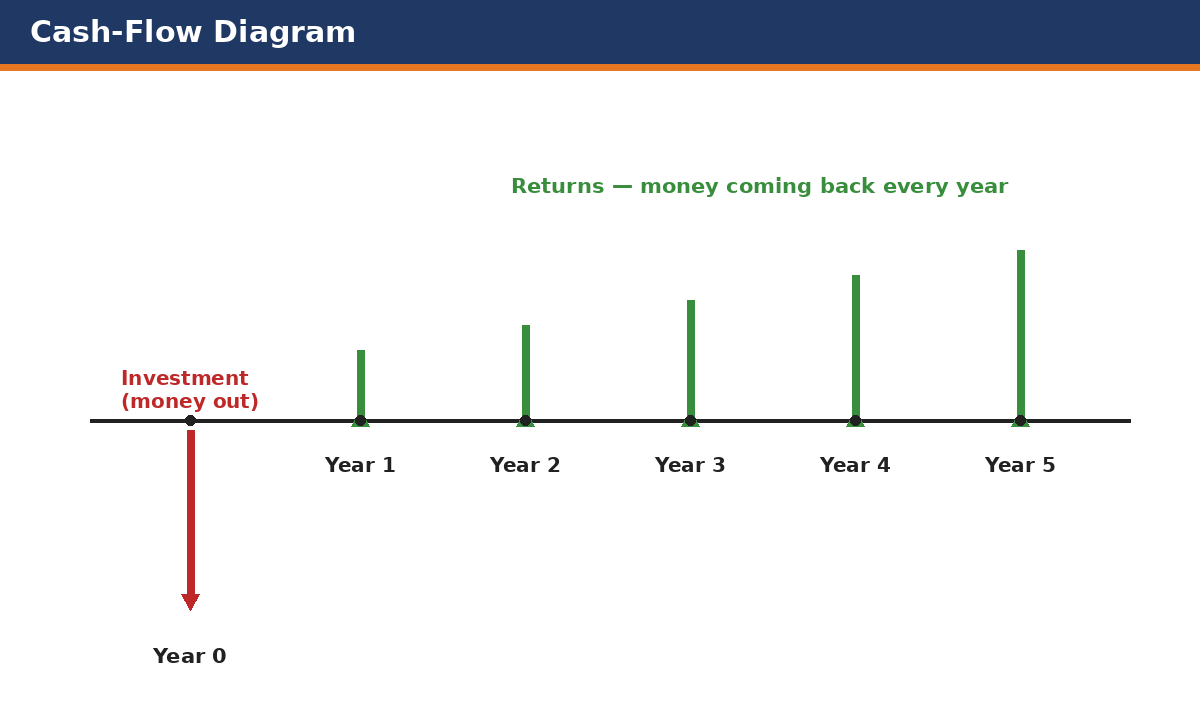
Balance sheet and related concepts; Profit & Loss Statement and related concepts; Financial Ratio Analysis; Cash flow analysis; Funds flow analysis; Comparative financial statements; Analysis & Interpretation of financial statements; Investments; Risks and return evaluation of investment decision; Average rate of return; Payback Period; Net Present Value; Internal rate of return.
पूरा सिलेबस
आधिकारिक सिलेबस से पूरी परीक्षा योजना, प्रैक्टिकल्स की पूरी सूची और संदर्भ पुस्तकें। यूनिट-वार विषय ऊपर "आप क्या पढ़ेंगे" वाले भाग में हैं।
परीक्षा योजना
| कोड | पेपर | प्रकार | L – P | क्रेडिट | आंतरिक | बाह्य | कुल |
|---|---|---|---|---|---|---|---|
| 3.6 | Engineering Economics & Accountancy (Open Elective-1) | Theory (Q) | 2 – 0 | 2 | 50 | — | NA |
| Open Elective-1 Total | 2 | 50 | — | NA | |||
यूनिट्स एक नज़र में
| यूनिट | विषय | पीरियड | अंकों का हिस्सा |
|---|---|---|---|
| I | Introduction | 04 | 17% |
| II | Demand & Supply Analysis | 05 | 20% |
| III | Production and Cost Analysis | 06 | 20% |
| IV | Pricing | 05 | 20% |
| V | Financial Accounting (Elementary Treatment) | 08 | 23% |
संदर्भ पुस्तकें
सिलेबस में दी गई सूची के अनुसार:
- Premvir Kapoor, Sociology & Economics for Engineers, Khanna Publishing House, New Delhi, 2018
- McGuigan, Moyer and Harris, 'Managerial Economics; Applications, Strategy and Tactics', Thomson Southwestern, 10th Edition, 2005
- Prasanna Chandra. 'Fundamentals of Financial Management', Tata Mcgraw Hill Publishing Ltd., 4th edition, 2005
- Samuelson. Paul A and Nordhaus W.D., 'Economics', Tata Mcgraw Hill Publishing Company Limited, New Delhi, 2004
- Paresh Shah, 'Basic Financial Accounting for Management', Oxford University Press, New Delhi, 2007
अक्सर पूछे जाने वाले प्रश्न
तीसरा सेमेस्टर में Engineering Economics & Accountancy कितने अंकों का है?
यह (Q) qualifying विषय है — आंतरिक 50 अंक, 2 क्रेडिट। पास होना अनिवार्य है, लेकिन अंक percentage और division में शामिल नहीं किए जाते।
Engineering Economics & Accountancy में सबसे ज़्यादा भार वाली unit कौन सी है?
Financial Accounting (Elementary Treatment), 23% (08 पीरियड)।
क्या Engineering Economics & Accountancy में practical कार्य है?
नहीं — आधिकारिक सिलेबस में इस विषय के लिए कोई practicals नहीं दिए गए हैं।
Engineering Economics & Accountancy के लिए कौन सी किताबें पढ़नी चाहिए?
आधिकारिक सिलेबस में 5 संदर्भ पुस्तकें सूचीबद्ध हैं — पूरी सूची ऊपर पूरा सिलेबस वाले भाग में है।
Engineering Economics & Accountancy सिलेबस PDF कैसे डाउनलोड करूँ?
PDF मुफ़्त डाउनलोड के लिए है — नीचे Download वाले भाग में दिए गए लिंक का उपयोग करें। यह KAMALDNP द्वारा आधिकारिक BTEUP सिलेबस से तैयार किया गया है।
मुझे Engineering Economics चुनना चाहिए या Disaster Management?
दोनों Open Elective-1 (3.6) के दो theory विकल्प हैं — आप इनमें से एक चुनते हैं, या स्वीकृत providers से कम से कम 20 घंटे का certification course। देखें कि आपका polytechnic कौन सा विकल्प पढ़ाता है।
संबंधित सिलेबस पोस्ट
- BTEUP Electrical 3rdवाँ सेमेस्टर सिलेबस 2026-27
- Electrical Engineering पूरा सिलेबस 2026-27
- Basics of Power Generation Systems — BTEUP Electrical 3rdवाँ सेमेस्टर सिलेबस 2026-27
- Electric Machine-1 — BTEUP Electrical 3rdवाँ सेमेस्टर सिलेबस 2026-27
- Electrical Circuits — BTEUP Electrical 3rdवाँ सेमेस्टर सिलेबस 2026-27
Engineering Economics & Accountancy सिलेबस PDF डाउनलोड करें
नीचे Engineering Economics & Accountancy का पूरा सिलेबस PDF डाउनलोड करें — KAMALDNP द्वारा तैयार, जिसमें topics की पूरी सूची और संदर्भ पुस्तकें हैं।
Engineering Economics & Accountancy सिलेबस PDF डाउनलोड करें
स्रोत: BTEUP द्वितीय वर्ष Electrical Engineering curriculum (folder2627)। फ़ाइल के कवर पर "YEAR 2025-2026" छपा है, लेकिन स्वीकृति पंक्ति "UPDATED AND APPROVED BY BOARD OF TECHNICAL EDUCATION U.P. LUCKNOW IN C.D.C MEETING HELD ON 16.07.2026" हर पृष्ठ पर (95 बार) है, और उस स्वीकृति के आधार पर इसे यहाँ 2026-27 सिलेबस माना गया है। विषय-सूचियाँ आधिकारिक सिलेबस के अनुसार हैं; छोटे स्पष्टीकरण लेखक के अपने सरल हिंदी सारांश हैं, सिलेबस का मूल पाठ नहीं। अपने पॉलिटेक्निक में किसी भी स्थानीय बदलाव की पुष्टि अवश्य करें।


Comments (0)
Share your question or experience about this syllabus. Your comment will appear after review.
No comments yet — be the first to share your thoughts!