
चौथा सेमेस्टर आ गया — RCC design की शुरुआत
चौथा सेमेस्टर वह जगह है जहाँ दूसरा साल गंभीर हो जाता है। Surveying chain और compass से theodolite, total station और GPS की ओर बढ़ती है; structures mechanics of material से theory of structures और RCC के design की ओर बढ़ती हैं; और दो water subjects आते हैं — Hydraulics और Water Resource Engineering — साथ में Public Health Engineering और Indian Knowledge System पर एक qualifying audit course।
शुरू करने से पहले एक बात जान लीजिए: 2026-27 का syllabus अपडेटेड NEP-2020 curriculum है, जिसे Board of Technical Education, UP ने 16 July 2026 की बैठक में मंज़ूरी दी थी। यहाँ 3rd और 4th semester की contents आधिकारिक 2nd-year curriculum की IIMT mirror प्रति से verify की गई हैं। अगर आप पुराने syllabus से पढ़ रहे हैं, तो रुक जाइए — विषयों के नाम, codes और structure सब बदल गए हैं।
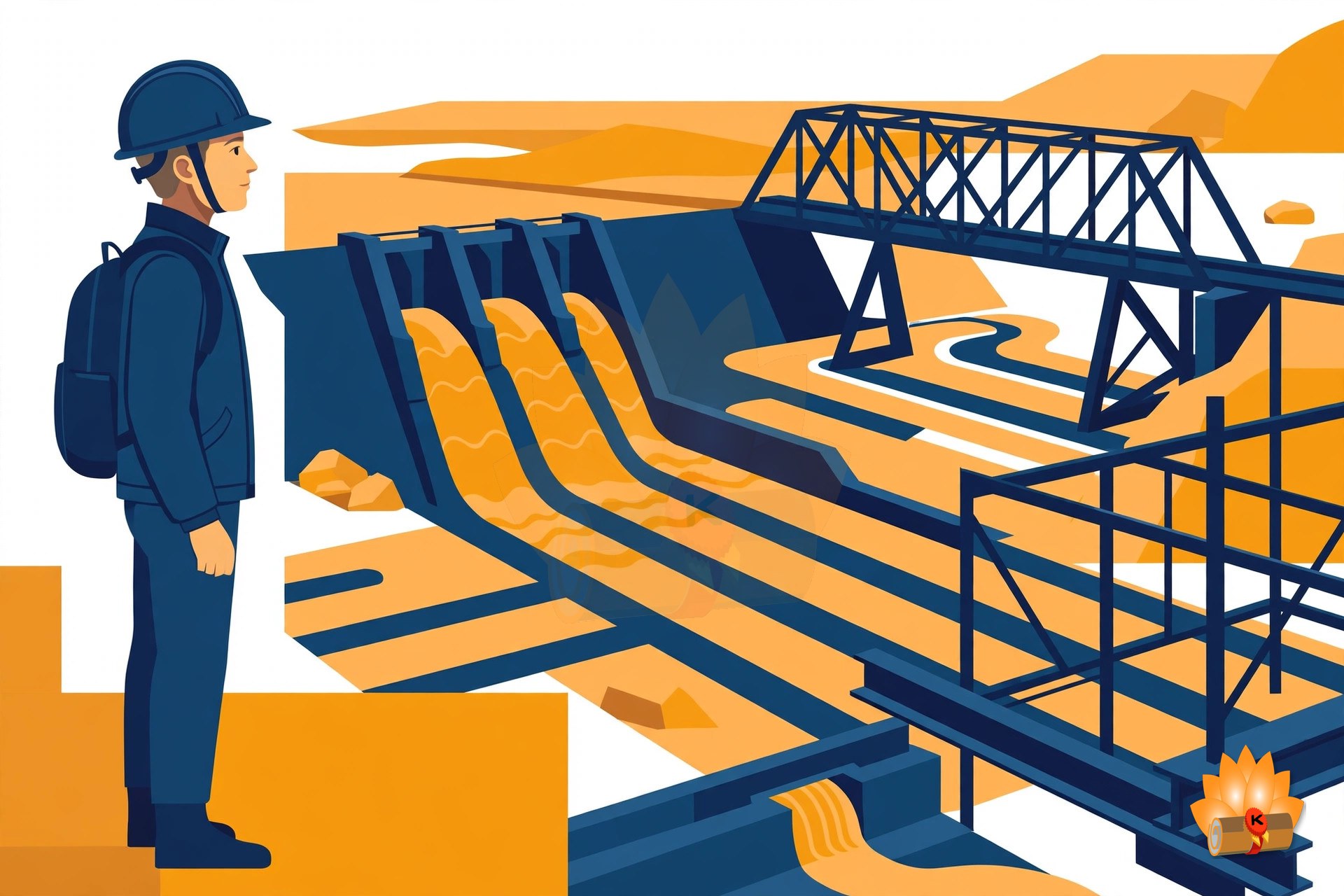
एक नज़र में चौथा सेमेस्टर — पूरी तस्वीर
कुल 950 अंक और 20 क्रेडिट। सबसे भारी विषय Hydraulics और Advance Surveying हैं — प्रत्येक 200 अंक, theory और lab मिलाकर। Theory of Structure, Design of RCC Structures, RCC Structures Drawing, Water Resource Engineering और Public Health Engineering प्रत्येक 100 अंकों के हैं। Essence of Indian Knowledge and Tradition एक qualifying audit course है — 50 internal अंक, total में नहीं गिना जाता — और SCA 50 अंक जोड़ता है। ध्यान दें: 950 अंकों का semester total तभी ठीक बैठता है (internal 470 / external 480) जब Public Health Engineering (4.9) के 40 internal अंक Practical में गिने जाएँ और audit course (4.10, * के साथ) के 50 internal अंक बाहर रखे जाएँ; source में scheme table के columns की alignment गड़बड़ है, इसलिए यह split totals से निकाला गया है, सीधे पढ़ा नहीं गया है।
| कोड | विषय | प्रकार | क्रेडिट | अंक |
|---|---|---|---|---|
| 4.1 | Hydraulics | Theory | 2 | 100 |
| 4.2 | Hydraulics Lab. | Practical | 1 | 100 |
| 4.3 | Advance Surveying | Theory | 2 | 100 |
| 4.4 | Advance Surveying Lab. | Practical | 2 | 100 |
| 4.5 | Theory of Structure | Theory | 3 | 100 |
| 4.6 | Design of Reinforced Cement Concrete Structures | Theory | 3 | 100 |
| 4.7 | Reinforced Cement Concrete Structures Drawing | Practicum/Practical | 3 | 100 |
| 4.8 | Water Resource Engineering | Theory | 2 | 100 |
| 4.9 | Public Health Engineering | Practicum/Theory | 2 | 100 |
| 4.10 | Essence of Indian Knowledge and Tradition (Q) | Audit Course | — | — |
| — | Student Centred Activities (SCA) | Activity | — | 50 |
| कुल (चौथा सेमेस्टर) | 20 | 950 marks | ||
नोट: 950 अंकों का semester total तभी ठीक बैठता है (internal 470 / external 480) जब Public Health Engineering (4.9) के 40 internal अंक Practical में गिने जाएँ और audit course (4.10, * के साथ) के 50 internal अंक बाहर रखे जाएँ — audit course qualifying-only है। Source में scheme table के columns की alignment गड़बड़ है, इसलिए यह split totals से निकाला गया है, सीधे पढ़ा नहीं गया है।
हर विषय में आप क्या पढ़ेंगे — सरल शब्दों में
1. Hydraulics (Theory + Lab)
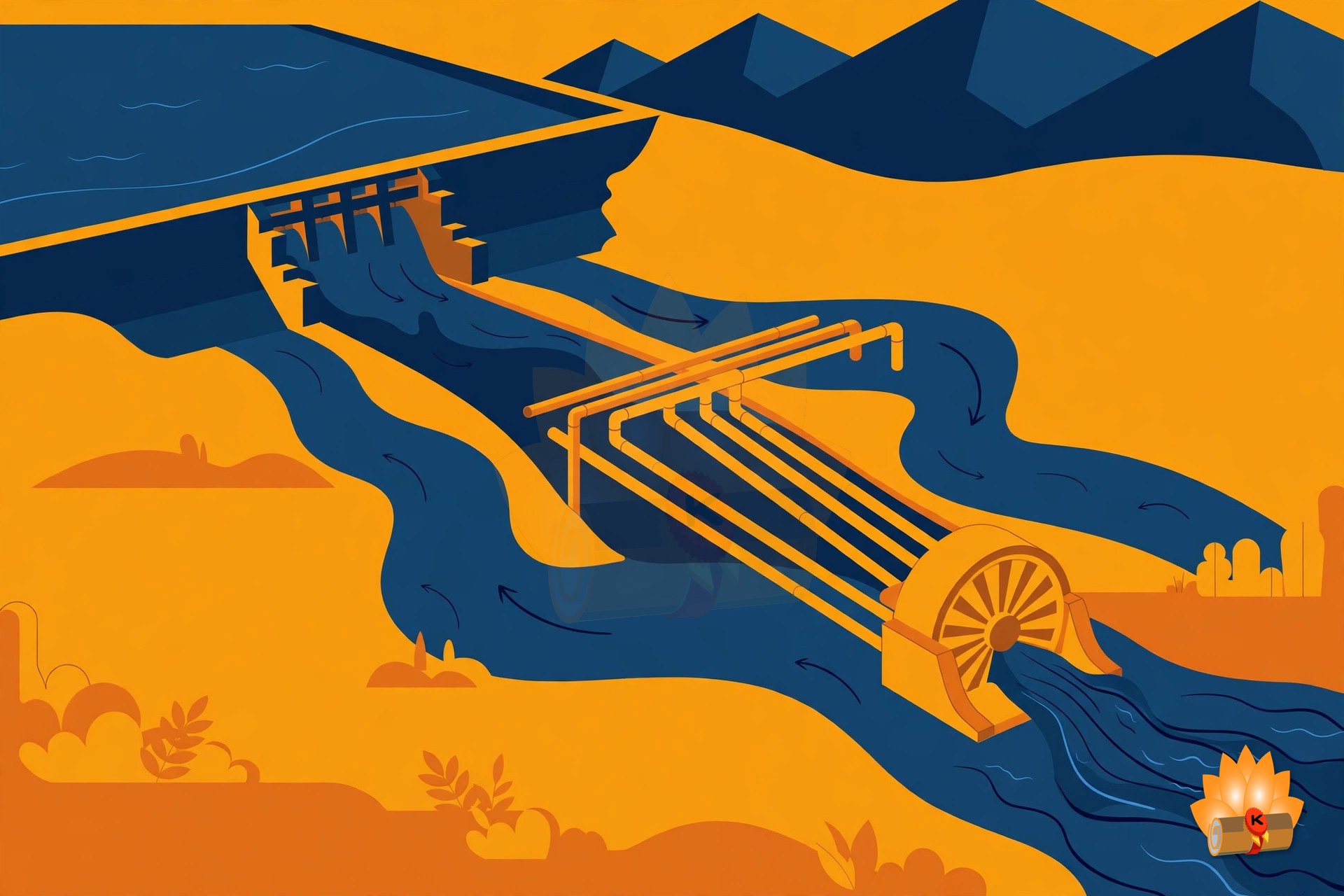
Pipe में पानी, canal में पानी, बाँध की दीवार पर धक्का देता हुआ पानी — यह सब एक ही नियमों से चलता है, और Hydraulics वह विषय है जो उन्हें सिखाता है। 4th semester में यह दो 200 अंकों वाले विषयों में से एक है, जिसमें एक theory paper (4.1) और एक lab (4.2) है। यह pressure और flow से शुरू होता है, pipes और open channels से गुज़रता है, और उन pumps पर खत्म होता है जो पानी को वहाँ पहुँचाते हैं जहाँ उसकी ज़रूरत है।
2. Advance Surveying (Theory + Lab)
Basic Surveying ने आपको chain, compass और level सिखाया था। Advance Surveying आपको और आगे ले जाता है — plane table, theodolite, tacheometry, curve setting, total station, GPS और GIS तक। यह 4th semester के दो 200 अंकों वाले विषयों में से एक है (एक theory paper 4.3 और एक lab 4.4), और इसमें 4 credits हैं — semester में सबसे ज़्यादा।

3. Theory of Structure (Theory)
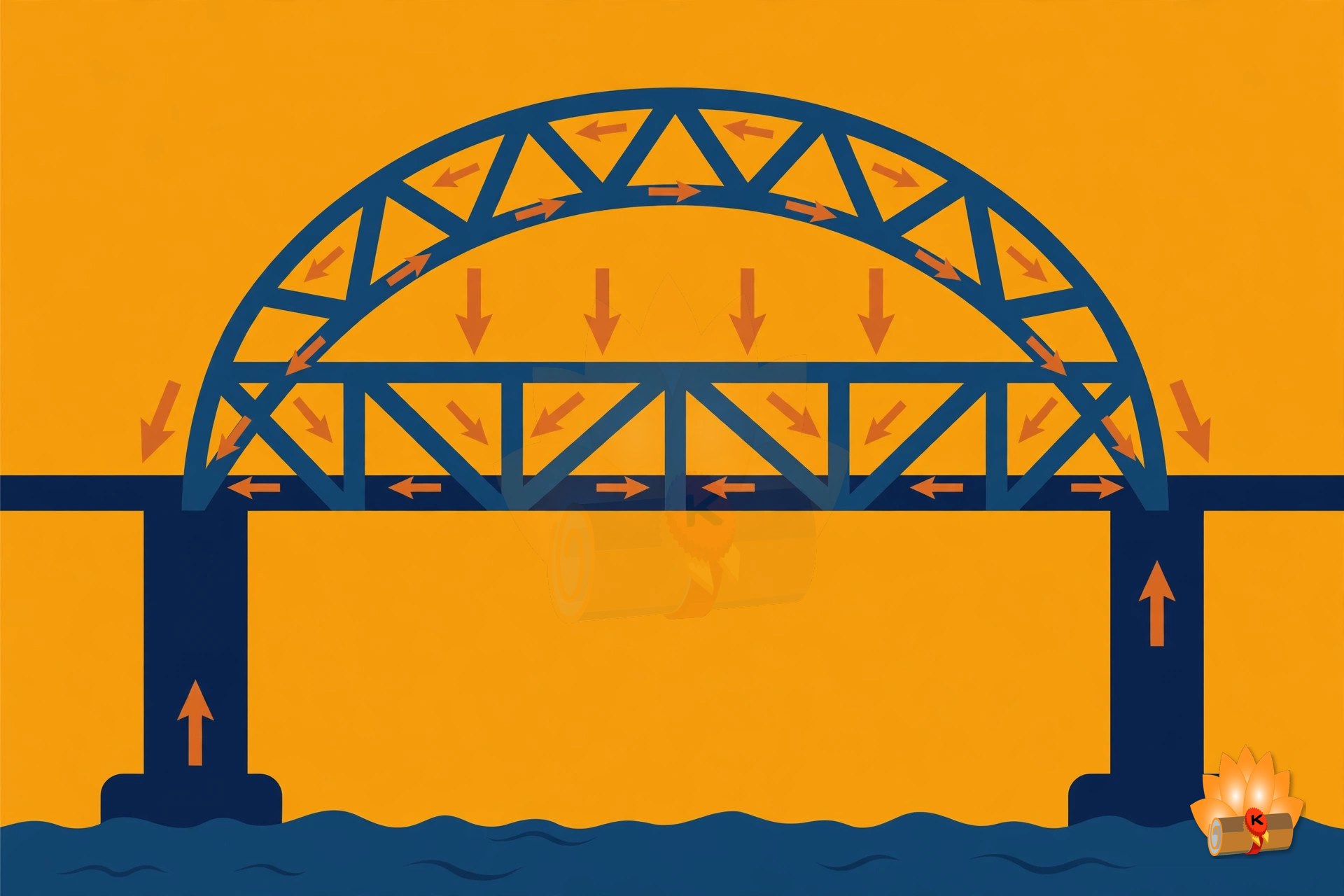
Mechanics of Material ने आपको सिखाया था कि एक beam या column कैसे behave करता है। Theory of Structure सिखाता है कि पूरी structures कैसे behave करती हैं — frames, trusses और dams — और उनका analysis कैसे किया जाता है। यह एक theory विषय (4.5) है, 100 अंकों और 3 क्रेडिट का, जिसमें 2 lectures और 1 tutorial प्रति हफ़्ता हैं, और यह 3rd semester के Mechanics of Material की सीधी continuation है।
4. Design of RCC Structures (Theory)
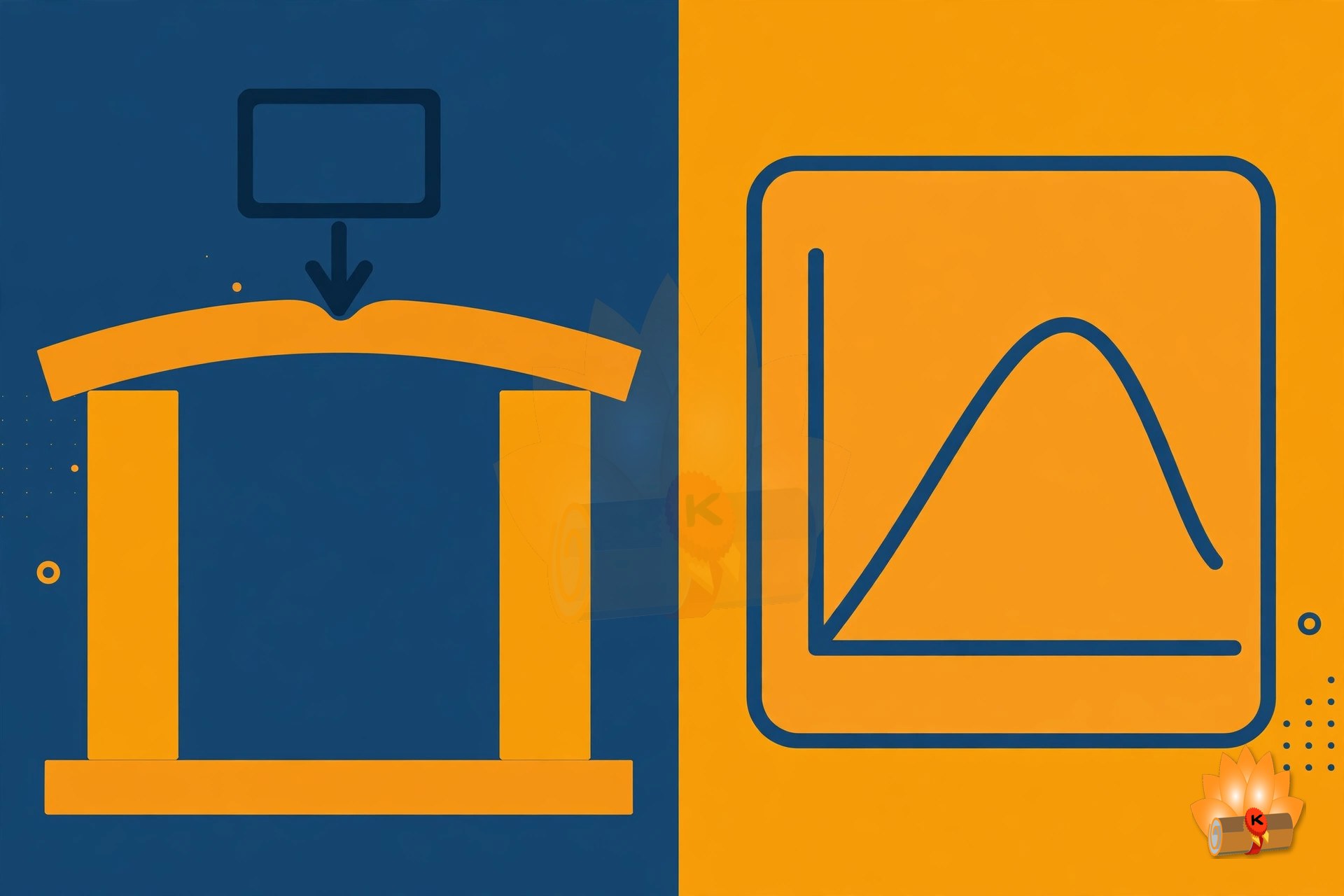
Concrete compression में मज़बूत होता है और tension में कमज़ोर — इसलिए उसे steel से reinforce किया जाता है, और यह combination दुनिया का सबसे ज़्यादा इस्तेमाल होने वाला structural material है। Design of Reinforced Cement Concrete Structures आपको IS:456 की limit state method से उसे design करना सिखाता है। यह एक theory विषय (4.6) है, 100 अंकों और 3 क्रेडिट का, और अगला विषय — RCC Structures Drawing — इसी पर निर्भर करता है।

5. RCC Structures Drawing (Practicum)
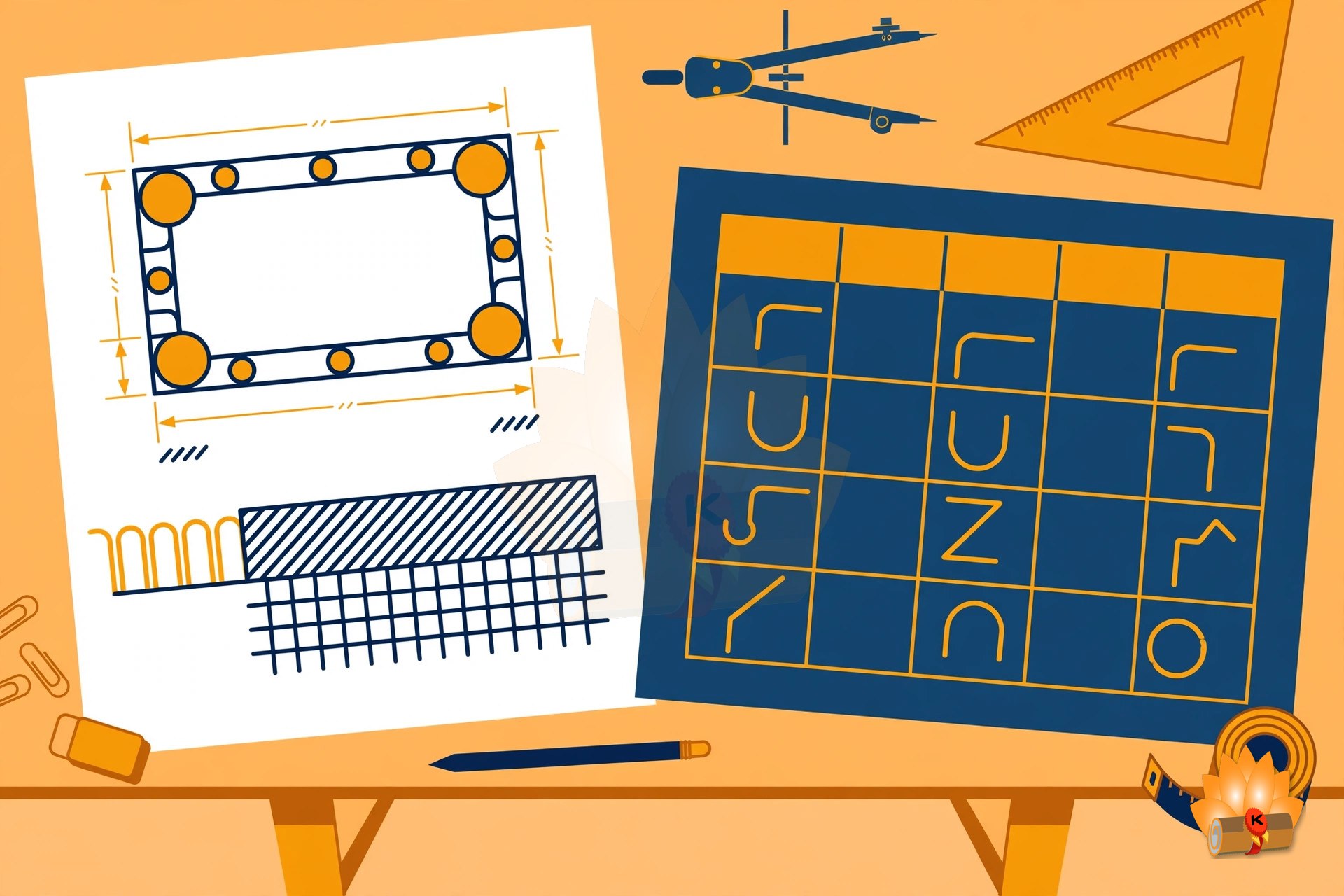
Design of RCC Structures आपको beam, slab या column calculate करना सिखाता है। RCC Structures Drawing आपको उसे draw करना सिखाता है — हर bar, हर stirrup, हर lap और hook दिखाते हुए, और उसके साथ bar bending schedule। यह एक practicum विषय (4.7) है, 100 अंकों और 3 क्रेडिट का, जिसमें 1 lecture और 4 practical hours प्रति हफ़्ता हैं, और इसमें कोई theory units नहीं हैं: पूरा विषय आठ drawings हैं।
6. Water Resource Engineering (Theory)
भारत की नदियों को मापना होता है, उसकी फसलों को पानी देना होता है, और उसके canals व dams की planning करनी होती है — और यही Water Resource Engineering है। यह एक theory विषय (4.8) है, 100 अंकों और 2 क्रेडिट का, और 4th semester के दो water subjects में से पहला है (दूसरा Public Health Engineering है)। यह आपको rainfall और runoff से canals, head works, dams और river training तक ले जाता है।

7. Public Health Engineering (Practicum)
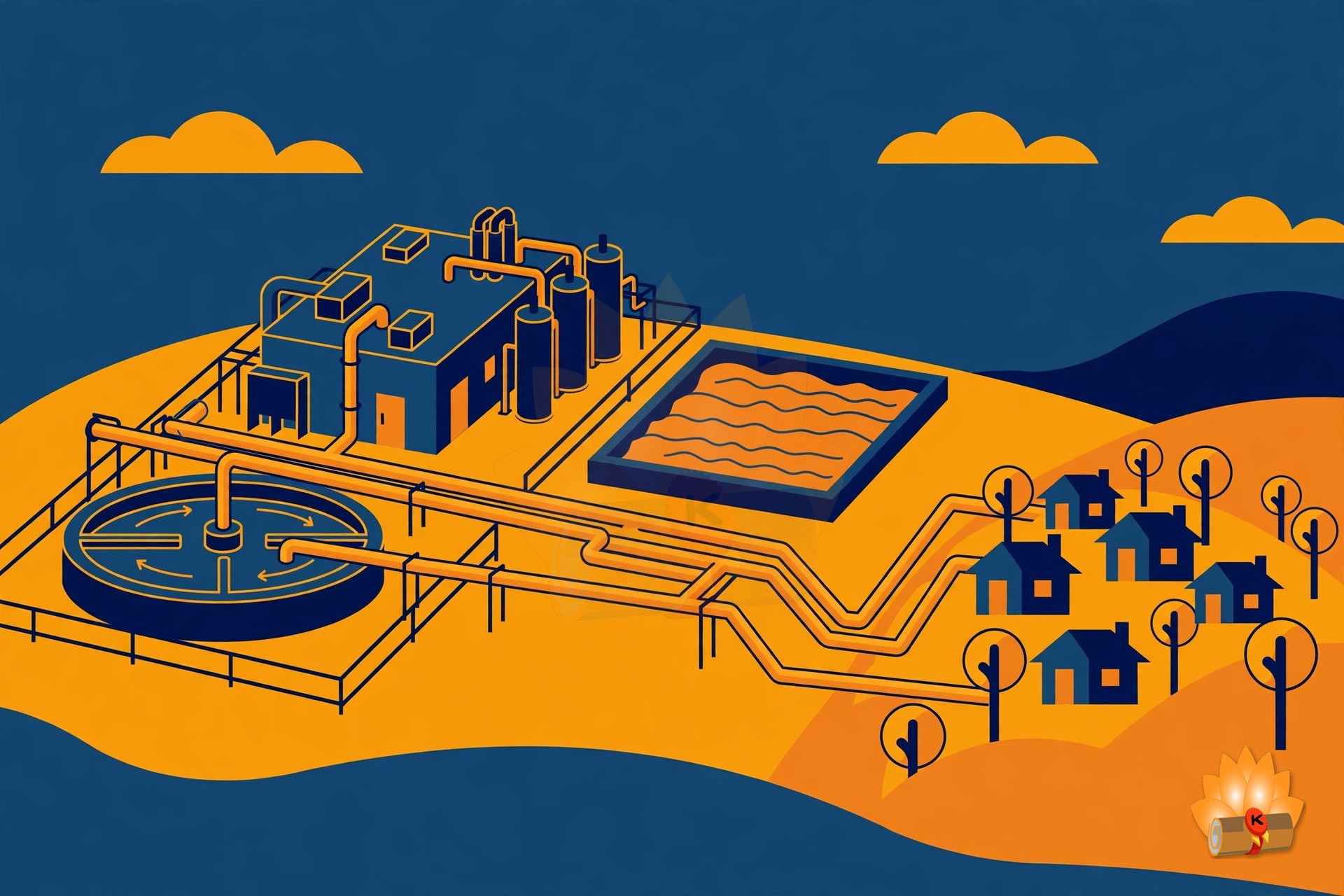
हर शहर को दो अदृश्य systems चाहिए: साफ़ पानी अंदर आना, और sewage सुरक्षित रूप से बाहर जाना। Public Health Engineering वह विषय है जो आपको दोनों सिखाता है। यह एक practicum विषय (4.9) है, 100 अंकों और 2 क्रेडिट का, जिसमें 1 lecture और 2 practical hours प्रति हफ़्ता हैं, और उसकी lab एक water-testing lab है — pH, turbidity, chlorine, dissolved oxygen, BOD और COD।
8. Essence of Indian Knowledge and Tradition (Audit Course, Qualifying + SCA)
Diploma का हर विषय concrete और steel के बारे में नहीं होता। Essence of Indian Knowledge and Tradition हज़ारों सालों में भारत द्वारा बनाई गई knowledge system के बारे में है — Vedas, Upavedas, Vedangas और Upangas — और यह कि वह ज्ञान आधुनिक science, yoga और holistic healthcare से कैसे जुड़ता है। यह एक audit course है, जिस पर (Q) लिखा है: आपको इसमें appear होना होगा और pass करना होगा, लेकिन इसके 50 internal अंक आपके percentage या division में नहीं जोड़े जाते, और इसके कोई credits नहीं हैं।

Essence of Indian Knowledge and Tradition और SCA — Qualifying Course
Diploma का हर विषय concrete और steel के बारे में नहीं होता। Essence of Indian Knowledge and Tradition हज़ारों सालों में भारत द्वारा बनाई गई knowledge system के बारे में है — Vedas, Upavedas, Vedangas और Upangas — और यह कि वह ज्ञान आधुनिक science, yoga और holistic healthcare से कैसे जुड़ता है। यह एक audit course है, जिस पर (Q) लिखा है: आपको इसमें appear होना होगा और pass करना होगा, लेकिन इसके 50 internal अंक आपके percentage या division में नहीं जोड़े जाते, और इसके कोई credits नहीं हैं।
विषय में 7 periods की चार units हैं: Indian Knowledge System का परिचय, आधुनिक science और Indian Knowledge System, yoga और holistic healthcare, और आधुनिक समय में Indian Knowledge System की relevance दिखाने वाले case studies। इस विषय के लिए PDF में कोई books list नहीं दी गई है। इसके साथ, Student Centred Activities (SCA) में 50 अंक हैं — और audit course से अलग, SCA के अंक 950 अंकों के semester total में गिने जाते हैं।
चौथा सेमेस्टर की तैयारी कैसे करें — एक practical तरीका
सबसे पहले दो 200 अंकों वाले विषयों — Hydraulics और Advance Surveying — से शुरू कीजिए, क्योंकि उनकी labs (10 और 13 experiments) में सबसे ज़्यादा समय लगता है। Design of RCC Structures और RCC Structures Drawing एक साथ चलते हैं: एक में design सीखिए, दूसरे में उसी हफ़्ते उसे draw कीजिए। Theory of Structure के लिए 3rd semester का Mechanics of Material चाहिए, इसलिए semester शुरू होने से पहले shear force और bending moment diagrams revise कर लीजिए। और audit course को मत भूलिए: उसमें appear होना और pass करना ज़रूरी है, भले ही उसके अंक न गिने जाएँ।
पूरा सिलेबस
चौथा सेमेस्टर की पूरी परीक्षा योजना, lecture और practical hours और internal व external अंकों के साथ, और उसके बाद हर विषय के unit-wise topics और practicals की पूरी सूची।
परीक्षा योजना — पूरा विवरण
| कोड | पेपर | प्रकार | L – P | क्रेडिट | आंतरिक | बाह्य | कुल |
|---|---|---|---|---|---|---|---|
| 4.1 | Hydraulics | Theory | 2 – 0 | 2 | Theory 40 | Theory 60 (3 hrs) | 100 |
| 4.2 | Hydraulics Lab. | Practical | 0 – 2 | 1 | Practical 60 | Practical 40 (3 hrs) | 100 |
| 4.3 | Advance Surveying | Theory | 2 – 0 | 2 | Theory 40 | Theory 60 (3 hrs) | 100 |
| 4.4 | Advance Surveying Lab. | Practical | 0 – 4 | 2 | Practical 60 | Practical 40 (3 hrs) | 100 |
| 4.5 | Theory of Structure | Theory | 2 – 0 | 3 | Theory 40 | Theory 60 (3 hrs) | 100 |
| 4.6 | Design of Reinforced Cement Concrete Structures | Theory | 2 – 0 | 3 | Theory 40 | Theory 60 (3 hrs) | 100 |
| 4.7 | Reinforced Cement Concrete Structures Drawing | Practicum/Practical | 1 – 4 | 3 | Practical 60 | Practical 40 (3 hrs) | 100 |
| 4.8 | Water Resource Engineering | Theory | 2 – 0 | 2 | Theory 40 | Theory 60 (3 hrs) | 100 |
| 4.9 | Public Health Engineering | Practicum/Theory | 1 – 2 | 2 | 40 | Theory 60 (3 hrs) | 100 |
| 4.10 | Essence of Indian Knowledge and Tradition (Q) | Audit Course | 2 – 0 | — | 50* | — | — |
| — | Student Centred Activities (SCA) | Activity | 0 – 8 | — | 50 | — | 50 |
| कुल (चौथा सेमेस्टर) | 20 | 470 | 480 | 950 | |||
नोट: 950 अंकों का semester total तभी ठीक बैठता है (internal 470 / external 480) जब Public Health Engineering (4.9) के 40 internal अंक Practical में गिने जाएँ और audit course (4.10, * के साथ) के 50 internal अंक बाहर रखे जाएँ — audit course qualifying-only है। Source में scheme table के columns की alignment गड़बड़ है, इसलिए यह split totals से निकाला गया है, सीधे पढ़ा नहीं गया है।
Hydraulics
एक नज़र में यूनिट्स
| यूनिट | विषय | पीरियड | अंकों का हिस्सा |
|---|---|---|---|
| 1 | Pressure Measurement and Hydrostatic Pressure | 6 | 20% |
| 2 | Fluid Flow Parameters | 4 | 15% |
| 3 | Flow through Pipes | 8 | 25% |
| 4 | Flow through Open Channel | 5 | 20% |
| 5 | Hydraulic Pumps | 5 | 20% |
प्रैक्टिकल्स की पूरी सूची
यह आधिकारिक सिलेबस से practicals की पूरी सूची है।
- Use piezometer to measure pressure at a given point.
- Use U-tube differential manometer to measure pressure difference between two given points.
- Use Reynold's apparatus to determine type of flow.
- Use Bernoulli's apparatus to apply Bernoulli's theorem to get total energy line for a flow in a closed conduit of varying cross sections.
- Determine minor losses in pipe fittings due to sudden contraction and sudden enlargement.
- Calibrate venturimeter to find out the discharge in a pipe.
- Calibrate the orifice to find out the discharge through a tank.
- Use current meter to measure the velocity of flow of water in open channel.
- Use Pitot tube to measure the velocity of flow of water in open channel.
- Use rectangular and triangular notch to measure the discharge through open channel.
संदर्भ पुस्तकें
सिलेबस में दिए अनुसार:
- Modi, P. N. and Seth, S.M., Hydraulics and Fluid Mechanics, Standard book house, Delhi.
- S.S. Rattan, Fluid Mechanics & Hydraulic Machines, Khanna Book Publishing Co., New Delhi.
- Ramamrutham, and Narayan, R., Hydraulics, Fluid Mechanics and Fluid Machines, Dhanpat Rai Publishing, New Company Delhi.
- Khurmi R S, Hydraulics, Fluid Mechanics, Hydraulic machines, S. Chand Publishers.
- Rajput, R K, Fluid Mechanics, S Chand, New Delhi.
- Ojha, C S P, Berndtsson, R, and Chandramoulli P. N., Fluid Mechanics and Machinery, Oxford University Press, New Delhi.
Advance Surveying
एक नज़र में यूनिट्स
| यूनिट | विषय | पीरियड | अंकों का हिस्सा |
|---|---|---|---|
| 1 | Plane Table Surveying | 4 | 20% |
| 2 | Theodolite Surveying | 6 | 20% |
| 3 | Tacheometric Surveying and Curve Setting | 6 | 20% |
| 4 | Advanced Surveying Equipments | 6 | 20% |
| 5 | Remote Sensing, GPS and GIS | 6 | 20% |
प्रैक्टिकल्स की पूरी सूची
यह आधिकारिक सिलेबस से practicals की पूरी सूची है।
- Use plane table survey to prepare plans of a plot of seven sided closed traverse by radiation method.
- Use plane table survey to prepare plans, locate details by intersection method and resection method (two point problem and three point problem).
- Use plane table survey to prepare plans, locate details by traversing method.
- Use plane table survey to carry out survey project for closed traverse for minimum five sides around a building.
- Use transit theodolite to measure horizontal and vertical angle by direct method.
- Plot the traverse on A1 size imperial drawing sheet for the collected data from preceding theodolite survey project.
- Set out a circular curve by Rankine's method of deflection angles.
- Use EDM to measure horizontal distance.
- Use total station instrument to measure horizontal distances.
- Use total station instrument to measure vertical angle.
- Use total station instrument to carry out survey project for closed traverse for minimum five sides.
- Plot the traverse on A1 size imperial drawing sheet for the collected data from preceding total station survey project.
- Use GPS to locate the coordinates of a station.
संदर्भ पुस्तकें
सिलेबस में दिए अनुसार:
- Kanetkar, T. P.; Kulkarni, S. V., Surveying and Levelling Part I and II, Pune Vidyarthi Gruh Prakashan, Pune.
- Basak, N. N., Surveying and Levelling, McGraw Hill Education (India) Pvt. Ltd., Noida.
- Duggal, S. K., Survey I and Survey II, Tata McGraw Hill Education Pvt. Ltd., Noida.
- Saikia, M D.; Das. B.M.; Das. M.M., Surveying, PHI Learning Pvt. Ltd., New Delhi.
- D.V. Gupta, Vikram Singh, Land Surveying-II, Asian Publishers, Muzaffarnagar, ISBN: 978-93-91541-59-0.
- Subramanian, R., Surveying and Levelling, Oxford University Press, New Delhi.
- Punmia, B.C.; Jain, Ashok Kumar; Jain, Arun Kumar, Surveying Vol. I and Surveying Vol. II, Laxmi Publications Pvt. Ltd., New Delhi.
- Rao, P. Venugopala Akella, Vijayalakshmi, Textbook of Surveying, PHI Learning Pvt. Ltd., New Delhi.
- Venkatramaiah, C, Textbook of Surveying, Universities Press, Hyderabad.
- Anderson, James M and Mikhail, Edward M, Surveying theory and practice, McGraw Hill Education, Noida.
- De, Alak, Plane Surveying, S.Chand Publications, New Delhi.
Theory of Structure
एक नज़र में यूनिट्स
| यूनिट | विषय | पीरियड | अंकों का हिस्सा |
|---|---|---|---|
| 1 | Principal Stress and Strain | 6 | 20% |
| 2 | Combined Direct and Bending Stress | 6 | 20% |
| 3 | Strain Energy | 6 | 20% |
| 4 | Moment Distribution Method and Slope Deflection Method | 5 | 20% |
| 5 | Simple Trusses | 5 | 20% |
संदर्भ पुस्तकें
सिलेबस में दिए अनुसार:
- Ramamrutham. S, Theory of structures, Dhanpatrai & Sons.
- Khurmi, R. S., Theory of Structures, S. Chand and Co., New Delhi.
- Bhavikatti, S S, Structural Analysis Vol-1, Vikas Publishing House Pvt Ltd., New Delhi.
- Dr. Vijay Mittal, Amit Verma, Structural Mechanics, Asian Publishers, Muzaffarnagar, ISBN: 978-93-91541-23-1.
- Junnarkar, S. B., Mechanics of structures, Volume-I and II, Charotar Publishing House, Anand.
- Pandit, G.S. and Gupta, S.P., Theory of Structures, Tata McGraw Hill, New Delhi.
- Agor R, Structural Analysis, Khanna Publishing House, Delhi.
Design of RCC Structures
एक नज़र में यूनिट्स
| यूनिट | विषय | पीरियड | अंकों का हिस्सा |
|---|---|---|---|
| 1 | Introduction | 8 | 20% |
| 2 | Concept of Limit State Method | 8 | 20% |
| 3 | Design of Reinforced Concrete Beams by Limit State Method | 9 | 20% |
| 4 | Design of One Way and Two Way Slab | 9 | 20% |
| 5 | Design of Axially Loaded RCC Column and Pre-stressed Concrete | 9 | 20% |
संदर्भ पुस्तकें
सिलेबस में दिए अनुसार:
- Shah, V. L., and Karve, S.R., Limit State Theory and Design of Reinforced Concrete Structures, Structures Publications, Pune, 2014.
- Sinha N.C., and Roy S.K., Fundamentals of Reinforced Concrete, S. Chand & Co., New Delhi.
- D.V. Gupta, Vikram Singh, Reinforced Concrete Technology, Asian Publishers, Muzaffarnagar, ISBN: 978-93-5502-123-6.
- Krishna Raju, and N. Pranesh, R.N., Reinforced Concrete Design Principles and Practice, New Age International, Mumbai.
- Pillai, S.U., and Menon, Devdas, Reinforced Concrete Design, McGraw Hill Publications, New Delhi.
- Varghese, P. C., Limit State Design of Reinforced Concrete, Prentice Hall India Learning Private Limited, Delhi.
RCC Structures Drawing
प्रैक्टिकल्स की पूरी सूची
यह आधिकारिक सिलेबस से practicals की पूरी सूची है।
- Reinforcement details from the given data for the following structural elements with bar bending schedules.
- General instruction and rules, Drawing 1 — lap, joint, development drawing: length, rings, hook etc.
- Drawing No. 2: RC Slabs — one way slab, two way slab and cantilever slab.
- Drawing No. 3: Beams — singly and doubly reinforced rectangular beams and cantilever beam (all beams with vertical stirrups), T beam, tapered beam.
- Drawing No. 4: Columns and footings — square, rectangular and circular columns with lateral ties and their isolated sloped column footings, column and beam junction.
- Drawing No. 5: Portal frame — three bay two storey RC portal frame with blow up of column beam junctions.
- Drawing of cantilever retaining wall showing details of all the members and reinforcement.
- Drawing of Intze type water tank showing details of all the members and reinforcement.
संदर्भ पुस्तकें
सिलेबस में दिए अनुसार:
- Shah, V. L., and Karve, S.R., Limit State Theory and Design of Reinforced Concrete Structures, Structures Publications, Pune, 2014.
- Sinha N.C., and Roy S.K., Fundamentals of Reinforced Concrete, S. Chand & Co., New Delhi.
- Krishna Raju, and N. Pranesh, R.N., Reinforced Concrete Design Principles and Practice, New Age International, Mumbai.
- Pillai, S.U., and Menon, Devdas, Reinforced Concrete Design, McGraw Hill Publications, New Delhi.
- Varghese, P. C., Limit State Design of Reinforced Concrete, Prentice Hall India Learning Private Limited, Delhi.
Water Resource Engineering
एक नज़र में यूनिट्स
| यूनिट | विषय | पीरियड | अंकों का हिस्सा |
|---|---|---|---|
| 1 | Introduction to Hydrology | 5 | 20% |
| 2 | Crop Water Requirement | 6 | 20% |
| 3 | Methods of Irrigation | 5 | 20% |
| 4 | Diversion Head Works & Canals | 6 | 20% |
| 5 | Dams and Spillways and River Training Works | 6 | 20% |
संदर्भ पुस्तकें
सिलेबस में दिए अनुसार:
- Punmia, B.C., Pande, B, Lal, Irrigation and Water Power Engineering, Laxmi Publications.
- Subramanayan, Engineering Hydrology, McGraw Hill.
- D.V. Gupta, Vikram Singh, Irrigation Engineering, Asian Publishers, Muzaffarnagar, ISBN: 978-93-5502-115-1.
- Mutreja K N, Applied Hydrology, McGraw Hill.
- Sharma, R.K. and Sharma, T.K., Irrigation Engineering, S.Chand.
- Basak, N.N., Irrigation Engineering, McGraw Hill Education.
- Asawa, G.L., Irrigation and water resource Engineering, New Age.
- Dahigaonkar, J.G., Irrigation Engineering, Asian Book Pvt. Ltd., New Delhi.
- Garg, S K, Irrigation and Hydraulic Structures, Khanna Publishers, Delhi.
- Priyani V.B., Irrigation Engineering, Charotar Book Stall, Anand.
Public Health Engineering
एक नज़र में यूनिट्स
| यूनिट | विषय | पीरियड | अंकों का हिस्सा |
|---|---|---|---|
| 1 | Sources, Demand and Quality of Water | 3 | 20% |
| 2 | Purification of Water | 3 | 20% |
| 3 | Conveyance and Distribution of Water | 2 | 20% |
| 4 | Domestic Sewage and Sewerage System | 3 | 20% |
| 5 | Characteristics and Treatment of Sewage | 3 | 20% |
प्रैक्टिकल्स की पूरी सूची
यह आधिकारिक सिलेबस से practicals की पूरी सूची है।
- Determine pH value of given sample of water.
- Determine the turbidity of the given sample of water.
- Determine residual chlorine in a given sample of water.
- Determine suspended, dissolved solids and total solids of given sample of water.
- Determine the dissolved oxygen in a sample of water.
- Determine the optimum dose of coagulant in a given raw water sample by jar test.
- Determine B.O.D. of given sample of sewage.
- Determine pH value of given sample of sewage.
- Determine suspended solids, dissolved and total solids for sample of sewage.
- Determine the dissolved oxygen in the given sample of sewage.
- Determine C.O.D. of given sample of sewage.
- Prepare a report of a field visit to sewage treatment plant or water treatment plant.
संदर्भ पुस्तकें
सिलेबस में दिए अनुसार:
- Sharma S.C, Environmental Engineering, Khanna Publishing House, New Delhi.
- Garg, S.K., Environmental Engineering Vol. I and Vol. II, Khanna Publishers.
- Birdie, G. S. and Birdie, J. S., Water Supply and Sanitary Engineering, Dhanpat Rai.
- Gupta, O.P., Elements of Environmental Pollution Control, Khanna Publishing House, Delhi.
- Rao, C.S., Environmental Pollution Control Engineering, New Age International.
- Punmia, B C, Environmental Engineering, vol. I and II, Laxmi Publishers.
- D.V. Gupta, Vikram Singh, Water & Waste Water Engineering, Asian Publishers, Muzaffarnagar, ISBN: 978-93-91541-52-1.
- Peavy H S, Rowe D R, and Tchobanoglous G, Environmental Engineering, McGraw.
- Basak N N, Environmental Engineering, McGraw Hill Publishers.
Essence of Indian Knowledge and Tradition
एक नज़र में यूनिट्स
| यूनिट | विषय | पीरियड | अंकों का हिस्सा |
|---|---|---|---|
| 1 | Introduction to Indian Knowledge System | 7 | 30% |
| 2 | Modern Science and Indian Knowledge System | 7 | 25% |
| 3 | Yoga and Holistic Healthcare | 7 | 25% |
| 4 | Case Studies / Assignment | 7 | 20% |
Student Centred Activities (SCA) — 50 अंक
Overall personality development के लिए प्रावधान, जिसमें co-curricular activities शामिल हैं जैसे extension lectures, games, hobby clubs (उदाहरण के लिए photography, painting और singing), seminars, declamation contests, educational field visits, NCC, NSS, library work, cultural activities और self-study। SCA के अधिकतम अंक: 50, इस प्रकार बाँटे गए हैं: (i) general behaviour और discipline के लिए 15 अंक (विभाग के सभी teachers से सलाह करके HODs द्वारा); (ii) attendance के लिए 10 अंक — 75–80% = 6 अंक, 80–85% = 8 अंक, 85% से ऊपर = 10 अंक; (iii) sports / NCC / cultural / co-curricular / NSS activities के लिए अधिकतम 25 अंक — state/national level participation के लिए 25, उपरोक्त में से दो activities में participation के लिए 20, inter-polytechnic level participation के लिए 15। नोट: अलग-अलग subjects के internal sessional में attendance के कोई अंक नहीं होने चाहिए।
अक्सर पूछे जाने वाले प्रश्न
चौथे सेमेस्टर में कुल कितने अंक हैं?
950 अंक, 20 क्रेडिट। दो 200 अंकों वाले विषय (Hydraulics, Advance Surveying), पाँच 100 अंकों वाले विषय (Theory of Structure, Design of RCC Structures, RCC Structures Drawing, Water Resource Engineering, Public Health Engineering), और SCA के 50 अंक। Audit course (4.10) के 50 internal अंक qualifying-only हैं और गिने नहीं जाते।
4th semester का total 950 अंक क्यों है, 1000 क्यों नहीं?
क्योंकि Essence of Indian Knowledge and Tradition (4.10) एक qualifying audit course है जिस पर (Q) लिखा है। उसके 50 internal अंक semester total से बाहर रखे गए हैं; सिर्फ़ 50 SCA अंक गिने जाते हैं। 200 + 200 + 100 + 100 + 100 + 100 + 100 + 50 = 950।
किन विषयों के सबसे ज़्यादा अंक हैं?
Hydraulics और Advance Surveying — प्रत्येक 200 अंक (theory + lab)। दोनों मिलकर 950 में से 400 अंक हैं।
4th semester में audit course क्या है?
Essence of Indian Knowledge and Tradition (4.10), जिस पर (Q) लिखा है। आपको इसमें appear होना होगा और pass करना होगा, लेकिन इसके 50 internal अंक आपके percentage या division में शामिल नहीं होते, और इस विषय के कोई credits नहीं हैं।
Public Health Engineering के internal अंकों पर note क्यों है?
Source में 4th-semester scheme table के columns की alignment गड़बड़ है। 950 अंकों का semester total तभी ठीक बैठता है (internal 470 / external 480) जब Public Health Engineering (4.9) के 40 internal अंक Practical में गिने जाएँ (उसके 60 external अंक Theory में हैं) और audit course के 50 internal अंक बाहर रखे जाएँ। यह split totals से निकाला गया है, सीधे पढ़ा नहीं गया है — इसे यहाँ ईमानदारी से दर्ज किया गया है, चुपचाप ठीक नहीं किया गया है।
Subject-wise syllabus PDFs कैसे डाउनलोड करें?
नीचे Download वाले हिस्से में दिए गए download link से पूरा 3rd–4th semester PDF डाउनलोड कीजिए, या Related Syllabus Posts की सूची से कोई भी subject post खोलिए — हर subject post में उसका अपना PDF download है।
संबंधित सिलेबस पोस्ट
- BTEUP Civil Engineering पूरा सिलेबस 2026-27 — सभी वर्ष, सभी सेमेस्टर
- BTEUP Civil तीसरा सेमेस्टर सिलेबस 2026-27
- Hydraulics — BTEUP Civil चौथा सेमेस्टर सिलेबस 2026-27
- Advance Surveying — BTEUP Civil चौथा सेमेस्टर सिलेबस 2026-27
- Theory of Structure — BTEUP Civil चौथा सेमेस्टर सिलेबस 2026-27
- Design of RCC Structures — BTEUP Civil चौथा सेमेस्टर सिलेबस 2026-27
- RCC Structures Drawing — BTEUP Civil चौथा सेमेस्टर सिलेबस 2026-27
- Water Resource Engineering — BTEUP Civil चौथा सेमेस्टर सिलेबस 2026-27
- Public Health Engineering — BTEUP Civil चौथा सेमेस्टर सिलेबस 2026-27
- Essence of Indian Knowledge and Tradition — BTEUP Civil चौथा सेमेस्टर सिलेबस 2026-27
पूरा सिलेबस PDF डाउनलोड करें
नीचे पूरा 3rd–4th semester सिलेबस PDF डाउनलोड करें — सभी 15 विषय एक ही file में, KAMALDNP Academy द्वारा तैयार।
पूरा 3rd–4th सेमेस्टर सिलेबस PDF डाउनलोड करें
स्रोत: BTEUP द्वितीय वर्ष पाठ्यक्रम (आधिकारिक पाठ्यक्रम की IIMT mirror प्रति), C.D.C. की 16.07.2026 को हुई बैठक में स्वीकृत। Topic सूचियाँ आधिकारिक सिलेबस के अनुसार हैं; छोटे सारांश लेखक के अपने सरल शब्दों में लिखे गए हैं, सिलेबस का मूल पाठ नहीं हैं। कृपया अपने पॉलिटेक्निक से किसी भी स्थानीय बदलाव की पुष्टि कर लें।


Comments (0)
Share your question or experience about this syllabus. Your comment will appear after review.
No comments yet — be the first to share your thoughts!